

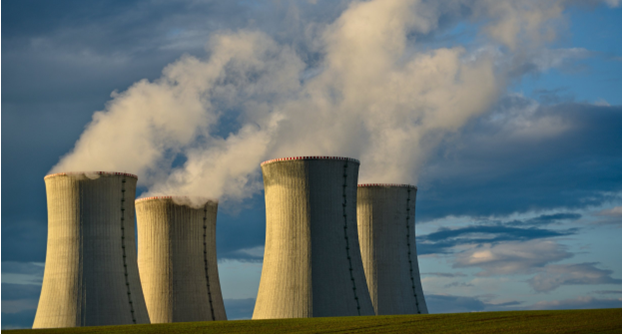
As our world struggles with the pressing want to deal with local weather change, the talk over nuclear energy is heating up. Advocates argue that nuclear vitality might assist scale back greenhouse fuel emissions because it doesn’t produce these dangerous gases like fossil fuels do. Nonetheless, nuclear energy additionally comes with vital drawbacks associated to security and environmental affect.
One main situation with nuclear energy is the issue of radioactive waste. This waste stays extremely harmful for 1000’s of years. Presently, the plan in Canada is to retailer this waste in deep geological repositories. These are amenities constructed deep underground, designed to securely include and isolate the waste utilizing a number of limitations. Whereas the thought is to maintain the waste safe, there are dangers. There may be all the time an opportunity that these repositories might leak or expertise accidents, doubtlessly contaminating the atmosphere and posing long-term well being dangers. Specialists level out that this downside has been handed down from earlier generations and shall be inherited by future ones if not correctly addressed. With over 1 / 4 million metric tons of radioactive waste already, it’s essential to discover a long-term resolution earlier than the state of affairs worsens.
One other concern is the danger of catastrophic accidents. The recollections of the Chernobyl catastrophe in 1986 and the Fukushima Daiichi accident in 2011 function stark reminders of the risks related to nuclear energy. These disasters not solely endangered employees but in addition launched dangerous radiation into the atmosphere, resulting in long-term injury and well being points for close by communities. Such accidents spotlight the necessity for excessive warning and rigorous security measures within the nuclear business. Regardless of the potential advantages, the excessive prices of constructing and sustaining protected nuclear energy crops make them much less engaging in comparison with renewable vitality sources. Nuclear energy can value between $112 and $189 per megawatt hour (MWh), whereas wind and solar energy are considerably cheaper, costing between $26 and $56 MWh and $36 and $44 MWh respectively. The sluggish development of nuclear crops additionally delays the transition away from fossil fuels, that are nonetheless used for a lot of our vitality wants.
The chance of nuclear energy getting used for damaging functions is one other severe concern. Nuclear weapons have the potential for mass destruction, and their existence fuels worldwide tensions. As Zambia’s speaker famous at a UN debate, the damaging energy of nuclear weapons has no place in right this moment’s world. The potential for terrorist assaults on nuclear amenities provides one other layer of danger. These assaults might result in the theft of radioactive supplies and even sabotage, posing vital nationwide safety threats.
Whereas nuclear energy crops are constructed to resist pure disasters like hurricanes and earthquakes, they don’t seem to be designed to withstand assaults from missiles or airstrikes. Latest occasions, such because the Russian and Ukrainian airstrikes on one another’s vitality infrastructure, present how susceptible vitality methods could be to fashionable warfare techniques. Nuclear crops, if focused, might result in catastrophic outcomes, together with radiation launch. This highlights the necessity for vitality sources which might be much less susceptible to such assaults and geopolitical conflicts.
As we search for sustainable vitality options, it’s essential to weigh the professionals and cons of nuclear energy rigorously. We have to develop methods that tackle local weather change whereas making certain environmental security and safety. Though nuclear vitality might not be the proper resolution, it’s important to acknowledge that present strategies, equivalent to burning fossil fuels, even have severe environmental and well being penalties. As we transfer ahead, discovering a steadiness between completely different vitality sources and prioritizing security and sustainability shall be key to making a greener and safer future.
