

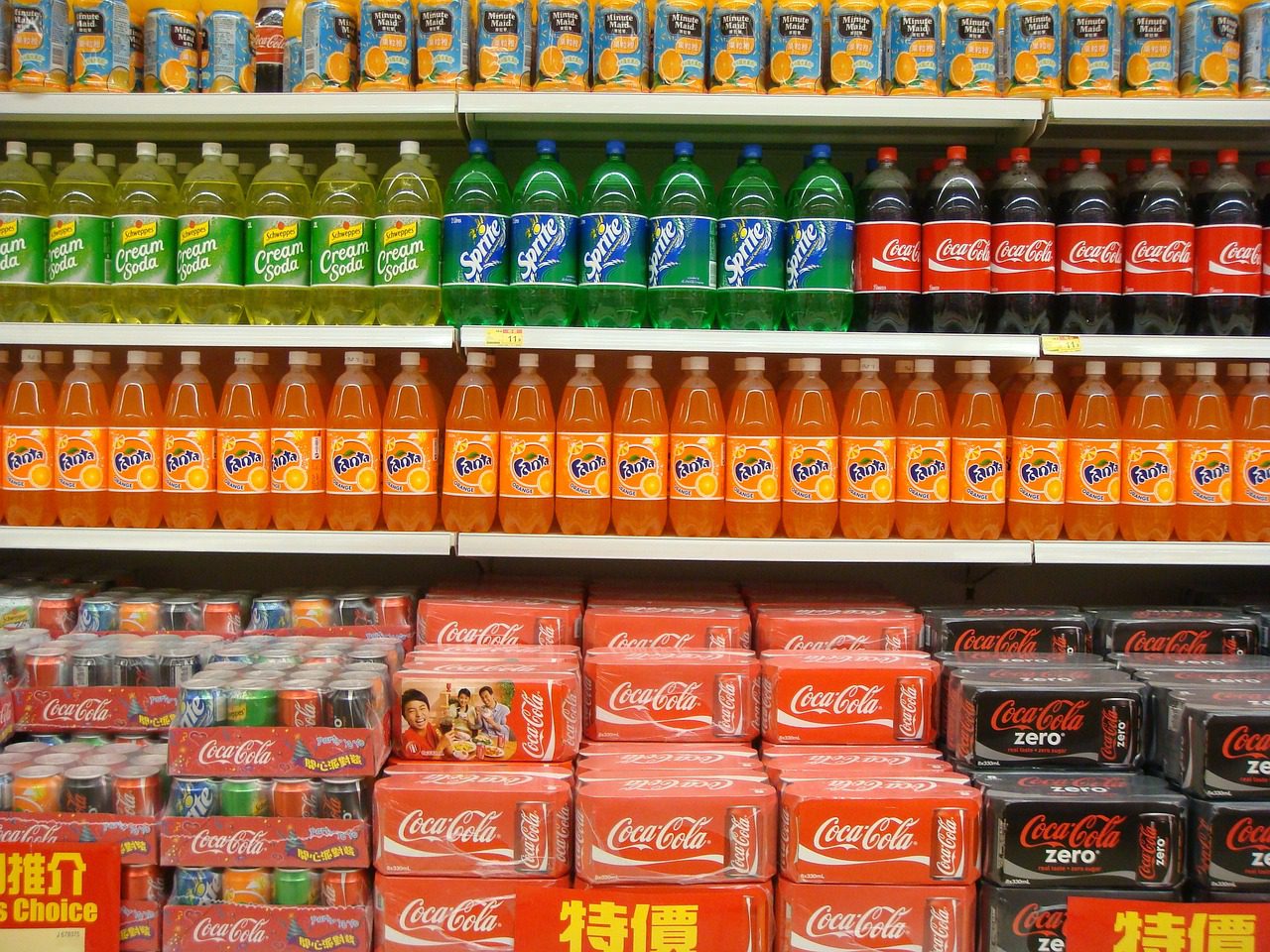
In a bid to handle the rising tide of diet-related sicknesses, Barbados carried out a tax on sugary drinks, a transfer that has yielded notable shifts in consumption patterns, in accordance with Deputy Chief Medical Officer, Dr. Arthur Phillips.
Decline in sugary drink gross sales
Because the tax’s inception at 10 per cent in 2015, adopted by a rise to twenty per cent in April 2022, there was a discernible lower within the sale of carbonated sugar-sweetened drinks.
Dr. Phillips highlighted a 4.3 per cent drop in weekly gross sales of sugar-sweetened drinks and a 3.6 per cent lower particularly in carbonated variants.
Rise in more healthy options
Conversely, the imposition of the tax has spurred an uptick within the sale of more healthy options.
Bottled water gross sales surged by simply over 7.5 per cent, whereas non-sugar-sweetened beverage gross sales noticed a commendable rise of 5.2 per cent.
– Commercial –
Coverage impression and future issues
Dr. Phillips underscores ongoing assessments relating to the impression of the elevated tax charge.
Deliberations are underway to probably introduce a tiered taxation system, correlating tax charges with sugar content material ranges.
Moreover, there’s dialogue about allocating a portion of the tax income in the direction of social programming, geared toward enhancing public consciousness and understanding of the tax’s objective.
– Commercial –
Addressing well being issues
The tax initiative aligns with Barbados’ broader efforts to fight the prevalence of non-communicable illnesses attributed to extreme sugar consumption.
Dr. Phillips emphasizes the antagonistic well being results related to sugary drinks, together with heightened dangers of weight problems, sort 2 diabetes, cardiovascular illnesses, and sure cancers.
World well being advocacy
The World Well being Group’s advice for a 20 per cent tax on sugar-sweetened drinks underscores a world consensus on the efficacy of fiscal insurance policies in curbing dangerous dietary practices.
Based on the Pan American Well being Group, such taxation methods are anticipated to yield substantial reductions in sugary drink consumption, providing a promising avenue for public well being intervention.
