

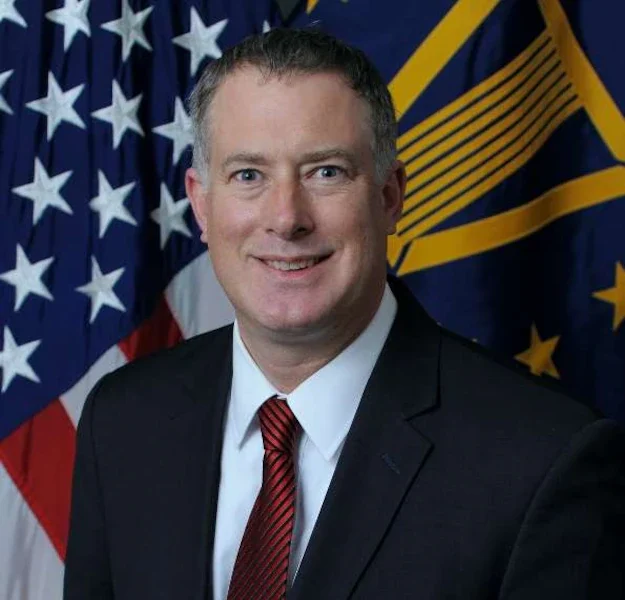
Daniel P. Erikson, the US Deputy Assistant Secretary of Protection (DASD) for the Western Hemisphere, is ready for a two-day go to to Guyana from January 8 to 9.
Overseeing an enormous area
Daniel P. Erikson serves because the linchpin in shaping US protection and safety insurance policies throughout a sprawling 34-nation area that spans from Canada to the Caribbean, encompassing Mexico, South and Central America.
His pivotal function in managing this expansive territory underscores the significance america attaches to fostering sturdy protection and safety partnerships throughout the area.
Reaffirming dedication to Guyana
DASD Erikson’s go to to Guyana symbolizes a concerted effort to take care of and improve america’ bilateral protection and safety cooperation with the South American nation.
This strategic alliance performs a pivotal function in selling regional stability and safety.

Excessive-level diplomatic engagements
Throughout his sojourn in Guyana, DASD Erikson is slated to have interaction in essential discussions with numerous stakeholders.
These discussions embrace conferences with representatives from the Authorities of Guyana, officers from the Guyana Defence Power (GDF), and leaders from the Caribbean Neighborhood (CARICOM).
Fostering regional protection partnerships
The first focus of those conferences is to delve into the multifaceted facets of the US protection and safety partnership with Guyana and its implications for regional stability.

The agenda is anticipated to embody discussions on the present state of the partnership, potential areas for collaboration, and techniques to additional bolster safety ties throughout the Caribbean and South American area.
A symbolic first journey abroad in 2024
Daniel P. Erikson’s go to to Guyana carries a symbolic weight because it marks his first abroad journey in 2024.
This early-year go to underscores america’ unwavering dedication to nurturing and strengthening the bilateral protection and safety partnership, significantly as Guyana takes strides in enhancing its protection capabilities.
Within the brief time period, this includes sturdy military-to-military engagements, whereas in the long run, it signifies Guyana’s ongoing efforts to modernize its protection establishments, aligning itself with regional safety imperatives.
